The Ideal Glass Balustrade Thickness
Glass Balustrades For Today, Tomorrow and Forever
Choosing the right glass balustrades is vital to ensure safety, durability and a correct installation. Understanding the regulations for glass balustrade thickness will help you pick the best balustrade system for you.
How Thick Should Your Glass Balustrade Panels Be?
All balustrades will need to use safety glass, but there isn’t a single correct glass balustrade thickness. Building regulations lay out standards for the thickness of glass for balustrades, yet these depend on several factors, such as whether they’re for residential or commercial use.
You will have to consider how the balustrade system is supported and what it will be used for, among other things. It’s important to properly match your balustrade glass thickness with the different factors.
Different Glass Balustrade Thickness Requirements
Residential areas
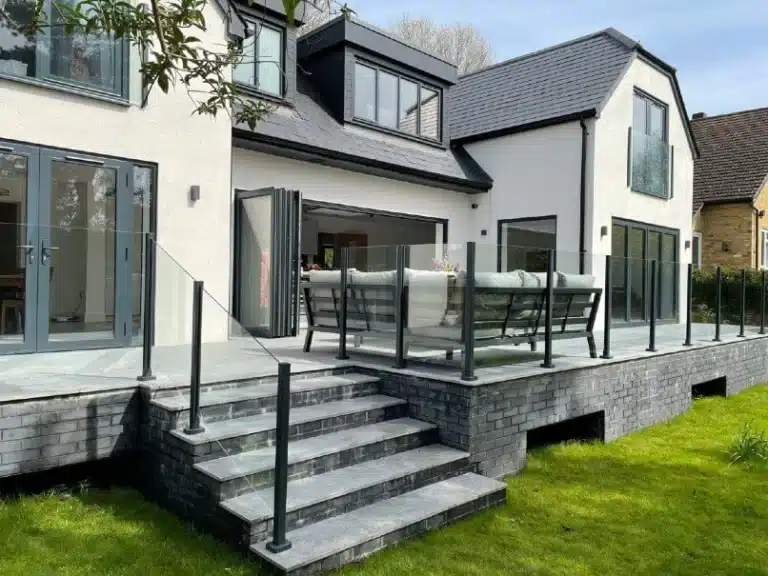
Glass balustrades installed in your home are less likely to have to withstand high loads and impacts. Here, the glass balustrade thickness in timber, aluminium or stainless steel supported systems can be as slim as:
10mm of toughened glass
These are such strong balustrade systems that they give plenty of support to the glass balustrades. You should always check the recommendations for specific glass balustrade systems.
Commercial and public areas
Commercial balustrades are designed to meet more stringent performance criteria and load requirements. Commercial premises like offices, bars and cafes will have much greater foot traffic than homes. More people use them on a daily basis, and they might lean on glass panels and try to rest on them.
Public areas are also more likely to experience congestion, with lots of people moving around. This increases the chances of collisions and other accidents, so the thickness of glass balustrades should be higher to withstand this. It could be for upstairs open-plan offices or ground level outdoor restaurant seating.
Supported balustrade systems in commercial settings often require:
a minimum of 12mm of toughened glass
If you use laminated glass instead of regular toughened glass, you can reduce the glass balustrade thickness by about 1mm.

Frameless glass balustrade thickness
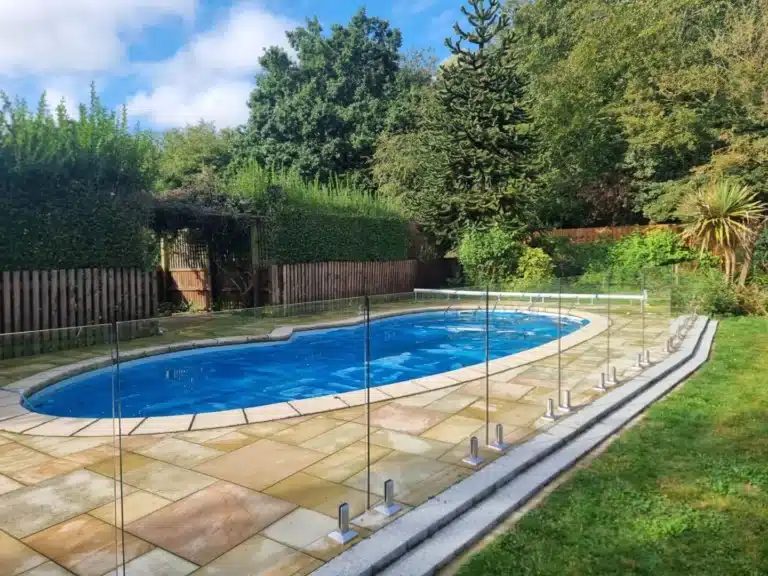
Laminated glass is recommended for frameless balustrades as the glass itself will be load-bearing. Its main support is either inside a base channel or held using spigot clamps.
The laminated glass can remain intact with impacts, improving safety. Different types of glass interlayers may be used, depending on whether the balustrade is for residential or commercial settings.
Residential balustrades
At least 12mm thickness is needed for frameless glass balustrade systems in homes.
Commercial balustrades
Frameless glass balustrades in commercial or public areas can need laminated glass up to around 25mm thick. However, this will depend on how high the foot traffic is and the load requirements.
These recommendations are based on BS EN 12600, which covers impact tests for single panes of glass in buildings.
Glass floor panels
If your glass balustrades will surround a mezzanine level with glass floor panels, it’s important to note the different requirements.
The glass panels will usually need to be supported on all four edges. The required glass panel thickness will depend on how large they are, with smaller panels needing 25.5mm while larger ones can need 33mm. It’s best to speak to a structural engineer for individual project advice.
Load requirements for balustrade glass
A load is any force, weight or pressure put on the balustrade by someone or something. Designers will also consider ‘wind load’ – the wind pressure impact on an outdoor balustrade. The load force is measured in kilonewtons per metre. It’s based on glass balustrades of 1100mm high.
A balustrade supplier with in-house surveyors and technicians can ensure you choose the right glass balustrade system. They can visit your home or business to consider the environment your glass will be used in. They can advise you on the right load requirements and how that relates to glass balustrade thickness for your needs.
Residential glass
For residential glass balustrades, a minimum load force of 0.36kN/m is needed.
Commercial and public spaces
For commercial and public installations, the required glass balustrade load force will depend on where it’s going and how they are used.
| 0.74kN/m | 1.5kN/m | 3kN/m |
|---|---|---|
| Stairs, walkways and balconies. | Areas where people congregate. | Public areas such as cafes, bars and shopping centres that are likely to experience congestion and overcrowding. |
| Public walkways and pavements under 3m wide that protect a drop e.g. mezzanine floors. | Walkways and pavements over 3m wide. |
These requirements are based on BS EN 1991-1-1, which gives best-practice design guidelines for structural design, including load bearings.
Glass Types: Toughened vs Laminated Glass Balustrades
Alongside choosing the right glass balustrade thickness, both toughened and laminated glass are great ways to ensure safe and reliable balustrade installations.
Toughened glass
Toughened glass is recommended for most glass balustrade systems. It’s nearly five times stronger than conventional safety glass, so can withstand much greater impacts. You should look for toughened glass that meets BS EN:12150, which sets the tolerances for safety glass for buildings.
Toughened glass comes in a range of thicknesses and it’s particularly important for areas that get congested, such as busy thoroughfares. If you are using glass balustrades around a restaurant’s outdoor seating area or as a glass partition to separate two areas, an etched logo can also help people to avoid walking into them.
Laminated glass
Laminated glass is increasingly popular due to its strength and safety. It is constructed of 2 panels of toughened glass, sandwiched together by an interlayer. The interlayer ensures the glass remains in place if there’s a breakage. This helps keep the area safe until a replacement is installed.
Frameless glass balustrade systems often need the higher safety standards of laminated glass. While it’s heavier and more expensive than toughened glass, laminated glass is more secure, with better sound insulation. It’s recommended for areas like balconies, mezzanines and public spaces to maximise safety.
Glass Balustrades & Building Regs Compliance
Whether for a home or business, both indoor and outdoor glass balustrades add a practical elegance to a range of environments. Understanding the right glass balustrade thickness for your needs will help ensure durability and safety, so you can get the most out of your glass balustrade system.
The building regulations for glass balustrade thickness are based on load requirements, impact performance, support and design. These are detailed in BS 6180:2011 for barriers in and about buildings, BS EN 12600 for impact performance and Approved Document K, Section 5, for glazing in critical locations.