Creating A Zoned Garden
Garden Inspiration For Today, Tomorrow and Forever
What is a zoned garden?
Creating zones in a garden is a way of dividing your outdoor space into distinct spaces or ‘rooms’. With strategic landscaping, a zoned garden enables you to create different areas for lounging, eating, entertaining or meditating. They could be a private sanctuary, a child-friendly play area or a relaxing space for the whole family and guests.
Garden zoning transforms outdoor spaces into versatile, practical areas that benefit the whole household. They maximise your outdoor areas, create better aesthetic flow, and make maintenance more efficient by grouping plants with similar care needs. With separate zones for different activities, you can spend more time in nature and appreciate what you have.
With the right approach to landscaping, a zoned garden could also add significant value to your property. Whether you choose to plan the layout yourself or with a professional garden designer, you’ll benefit from a garden that adapts to your needs throughout the year.
In our comprehensive guide, we’ll explore how to lay out your zoned garden effectively, discover the most popular garden zone types and learn practical ways to plan your garden zones.
Types of garden zones
Garden zoning can turn your outdoor space into a varied and versatile garden that benefits the whole household. The type of garden rooms you create will depend on your space and lifestyle. We’ve created a list of garden zoning ideas and how you can use them, so you’ll feel inspired to create the perfect garden for you.
Woodland garden areas
Perfect for:
- Shade-loving plants
- Wildlife habitats
- Cool retreats
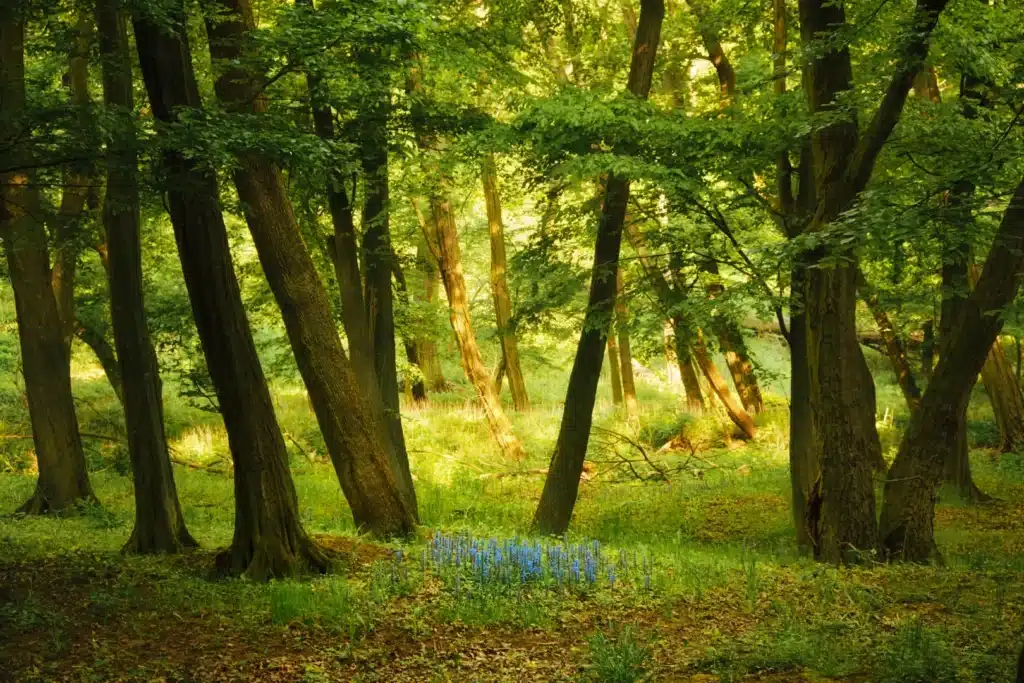
Take a forest bath in nature with a woodland garden that’s designed to reflect the diversity of natural woodlands. These areas use tree canopies to offer soothing shade and are an ideal retreat on sunny days. Woodland areas are ideal for creating a garden zone with privacy and year-round interest.
All the tiers
The key to crafting the perfect woodland garden is to add tiers of plants, with a variety that thrive at different levels. This will mimic the ecosystem of a natural woodland. You’ll need to ensure they’re planted in height order so they can get the right amount of sunlight to grow healthily. It’s best researching the right plants for different types of shade.
Create a sensory paradise
If you’re including seating in your woodland, carefully select the ground level plants nearby. This is an opportunity to delight your senses on every visit with a range of scents and colours. Consider a water feature to enhance the serenity.
Encourage wildlife
The variety in woodland gardens makes them attractive to plenty of wildlife, particularly those that prefer shade. But you can encourage more by adding fruit plants or trees and wildlife homes like bird boxes and bee blocks. Find ways to add water to support a range of wildlife, whatever size your garden.
Wildlife garden zones
Perfect for:
- Nature lovers
- Organic gardens
- Low maintenance
Less is more: the best way to encourage a wildlife garden to flourish is to resist ‘tidying up’. Long grass is an important habitat for a variety of flora and fauna. The same goes for borders and shrubs – instead of cutting them back as winter looms, let them grow for longer so they can provide shelter during the colder months.
Create habitats and food sources
You should pick plants that make good habitats and offer a source of food. One way is to replace traditional garden partitions like fencing with hedges. Planting hedges that bloom flowers and fruit at different types of year will provide continual natural shelter and food. They also bring your wildlife garden’s humans privacy too!
Native hedging can include evergreen plants with berries like holly, juniper and yew. Non-evergreen can bring berries and flowers with blackthorn and spindle, nuts with hazel, and fruit with crab apple.
Attract pollinators
Choose the right type of plants to attract honey bees and other insects all year round. Flowers with lots of nectar will attract pollinators like bees and butterflies, as well as birds like hummingbirds. Plants like lavender, wallflower, fuschia, hibiscus and honeysuckle help attract diverse wildlife and bring vibrant colours to your garden.
Remember: Most pollinators are insects, so pesticides need to be avoided in wildlife gardens – look at alternatives to garden chemicals.
Add water sources
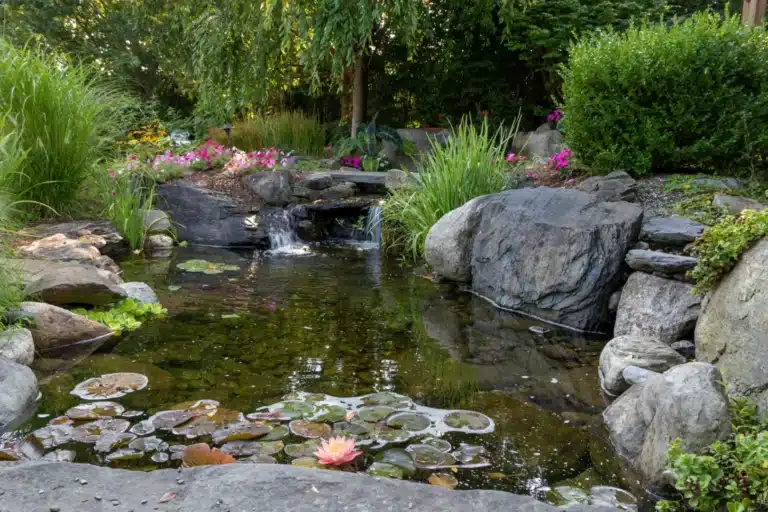
Water is essential for a thriving wildlife garden and a variety of water sources will help to bring in different creatures. In general, shallow water with graduated edges (so animals can get in and out) is best. Bird baths are used for both drinking and bathing, while many insects prefer sipping at shallow puddles. A pond will attract an ever greater range of wildlife, from frogs and newts to dragonflies.
Remember: Top up water in very hot weather and in freezing temperatures. Shallow water sources are more likely to freeze in cold weather, so wildlife can struggle to find suitable fresh water. Break the surface of bird baths and add tepid water.
Man-made homes
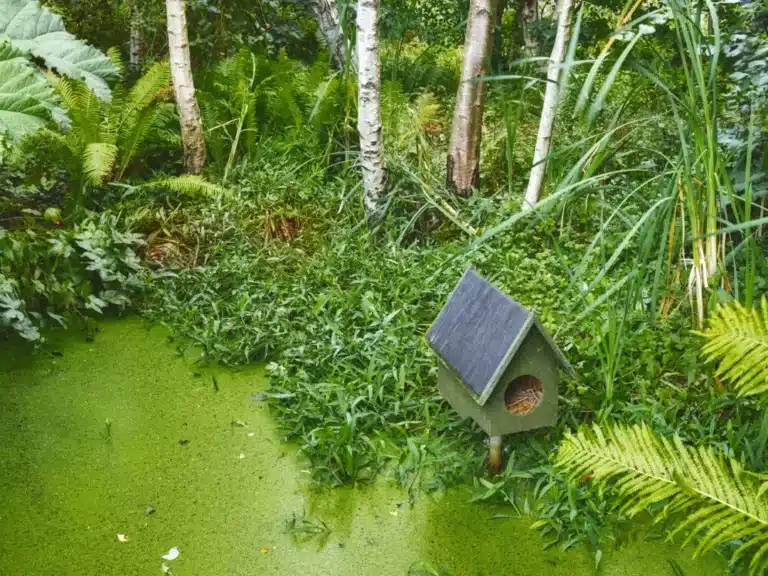
From bee hotels to bird boxes, there are lots of man-made shelters that will make a great addition to wildlife gardens. Bat caves, hedgehog runs and cultivated log piles all add nice bonus homes.
Keeping out pests
Gardeners usually only want certain types of wildlife – the ones that leave our plants looking pretty and don’t irritate us! Not all insects are pests, but it’s usually impossible to let some in while keeping out others. Unfortunately signs saying “ONLY NICE INSECTS” and “NO SLUGS ALLOWED” don’t help much.
Here’s a quick overview of common ‘pests’ and the natural predators you should attract to deal with them.
- Slugs and snails – hedgehogs, frogs and toads, beetles, birds, slowworms
- Insects – bats, birds, dragonflies, ladybirds, spiders
Ponds and water gardens
Perfect for:
- Attracting wildlife
- Calm and serenity
- Creating soundscapes
Water gardens are any garden where water is a significant feature. They can be a small slice of serenity or a large oasis for relaxation.
There are many ways of incorporating water in your garden, including fish ponds, wildlife ponds, water pots, water features and fountains. You can create naturalistic water spots, traditional garden ornamental features, or more modern-looking water gardens – perhaps even utilising technology.
Few gardens are lucky enough to contain natural water sources, but if yours does then you can enhance it further. If these are large or your artificial pond is more of a small lake, you could consider adding walkable bridges.

Plants
Unless you’ve chosen to create a minimalist peaceful retreat, you should select pond plants. These increase wildlife and help to keep the water clear, as well as adding to the pond’s beauty. When choosing the best type of plants for your pond, you will need to consider your pond’s depth, size and position: some pond plants prefer shallow water, some will float, while others do best in deeper water. You can have different plants at the edges or in different areas of the pond if its depth varies.
Moving water
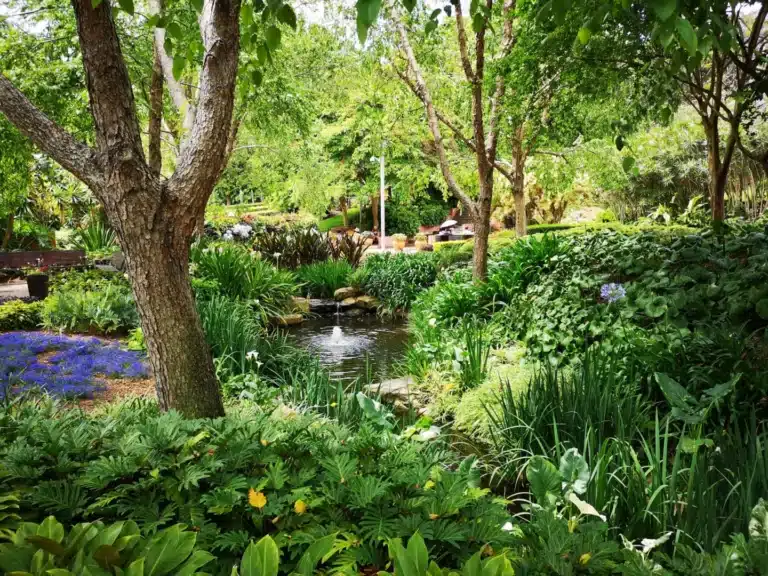
While still water offers its own tranquility, creating moving water can provide a calming backdrop to help you lift off the day-to-day stresses. It can also help to keep the water clean in ponds as it cycles through a filter.
Consider the best placement and style for your water garden. Large, ornamental features can act as a focal point, especially in smaller settings. Concrete fountain masks fit well with traditional gardens and ponds, while lit up metal water features can suit more modern ones.
Think about the type of sound you would like too. Will it be a beautiful cascading waterfall, a trickling stream or the simple drip of a rain chain?
Garden seating
To get the full benefit, ensure you place seating near where you can both hear and see the water. This should be a tranquil spot to relax and unwind as you listen to the soothing sound of your water garden.
Avoid non-permeable surfaces and paths
Materials like paving and concrete aren’t very porous – they don’t soak up water, so the excess water can’t get into the ground and will simply run off downhill. This can lead to slippery surfaces around your water garden and, in the worst cases, flooding.
If your water garden needs it, try to choose permeable paving options that allow water to soak into the ground below. Gravel is available in a variety of colours and is one of the cheapest hard-landscaping options. Grass or clay pavers can also be used, reducing the risk of soil erosion on sloped gardens.
Rain gardens
Your water garden could also be part of a rain garden, making the most of run-off water from hard surfaces. These are often low-lying areas or dips where water naturally heads in a garden. They can be low maintenance as they usually need no watering. With the right water-thriving plants they can absorb up to 30% more water than a lawn, helping to prevent flooding and reduce erosion.
Home garden bars, pub sheds & summer houses
Perfect for:
- Summer drinks
- Entertaining
- James Bond cosplayers
A garden bar can be the ultimate dream for some people! They are a great place to unwind with a beer, cocktail or glass of wine.There are many different types of garden bar. They can form part of other outdoor areas, integrated with a herb garden and dining area.
Garden bars can be anything from a small Tiki-style bar with a counter, one-shelf storage and a small roof. You can also choose a larger, lockable ‘hut’, which is useful for secure, protected storage. Yours could be a simple wooden DIY construction with bar stools or it could be a full-blown shed with handpulls, optics, a fridge and a TV.

If you’re building your garden bar yourself, you should choose materials carefully. Inside, waterproof, durable surfaces, like glass, tiles and metal, can stand up to accidental spillages. Your exterior will also need to be able to withstand outdoor weather, even if you’re not using it during the colder months.
Drinks station
Think about what type of drinks you’ll be having at your garden bar and what you’ll need for them. If you’re into your beer, then you could install a draught beer system. Unless you’re going to install a fridge, then you’ll need to decide how you’ll keep drinks cool.
Wine drinkers will benefit from a bottle chiller, and you can plunge cans of beer and soft drinks into a large ice bucket. A lidded, insulated ice container will prevent you from having to traipse back and forth to the freezer. They’re ideal for gin and tonics or if you’re mixing up cocktails.

Storage
Decide what you want to store in your garden bar. Depending on the size, you could have underbar storage, shelves, cupboards, wall hooks or a storage bench.
If your bar is far from the house, it helps to have extra items. You might want to duplicate things like glassware and bottle openers. Also consider a spirit measurer, cocktail making kit, and peelers and knives for cutting up garnishes. If you plan to use your garden bar enough, then it’s probably worthwhile storing some drinks there too.
You might not have room for everything. You can always opt for something portable, like a drinks trolley that you can wheel along both in and outdoors. This can be useful if the weather suddenly changes and you need to head inside.
Personalise it
This is your very own bar, so make it seem like yours! Whether that’s purely in the style touches or more personalised items, your garden bar should feel a welcoming, comfortable place to relax. You could add signage like “Jack and Emma’s Bar”, get custom coasters or bar runners, or have a chalkboard drinks menu.
Outdoor lounge areas
Perfect for:
- Comfortable relaxing
- Cosy sofas
- Chill out zones
More and more people want to make their garden an extension of their house. It’s up to you whether to reflect your indoor style in your outdoor living area, or go for something completely different. The former can create flow while the latter can make an attractive contrast.
Creating an outdoor living room
Prioritise comfort, especially when it comes to seating. Have inviting sofas or armchairs where you’ll want to lounge around, and pick fabrics that will resist sun fading. Choose good, waterproof storage for cushions and blankets that will ensure they’re always close at hand. You’re likely to make more use of the area if it doesn’t seem like a huge faff to set up.
To make the most of it, decide whether you’ll want some outdoor heating or prefer to cosy up with rugs and blankets. Moveable screens can offer shade and privacy, while glass screens and garden balustrades provide stylish wind protection.
You should position your outdoor lounge area based on the sun. When do you picture yourself using the area? Do you like to sit out with the morning sun and your first cuppa? Or will it be a post-work evening recharge spot?
What else to add?
Your outdoor lounge area can be as basic, decorative or practical as you like – it all depends on how you want to use it. Your outdoor oasis could have a calming water feature and atmospheric lighting. Your entertainment zone could have music speakers and extra guest seating. Your family hub could have a projector for outdoor film nights. Do plenty of research to get garden bar ideas that suit your tastes.
Garden kitchens and outdoor dining
Perfect for:
- Growers
- Fresh cooking
- Natural foodies
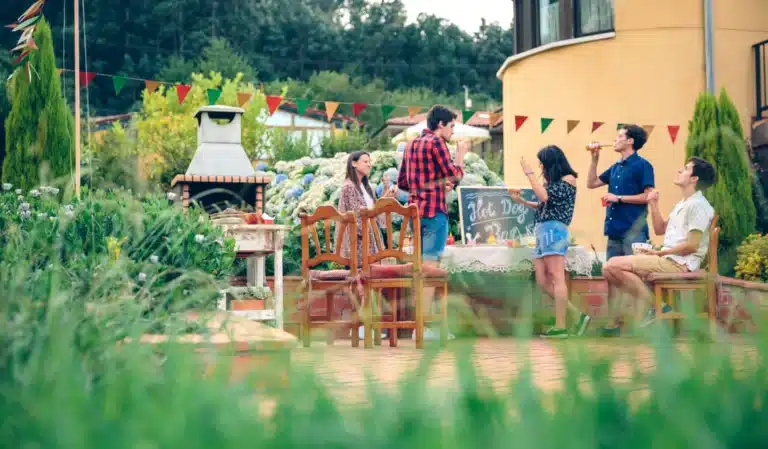
Outdoor dining is a great way to enjoy your garden regularly when the weather is good. Whether that’s weekend barbecues with friends or daily dinners with the family, there are lots of options for garden kitchens. You can integrate it with a bar area and may prefer it near a vegetable patch or herb garden.
The size of your cooking area will depend on your space and budget. You could just choose a standalone BBQ, perhaps with a small prep area. You could also recreate an entire kitchen, with a sink, electrical appliances, a pizza oven and multiple prep areas.
The best outdoor cooking area
Your outdoor kitchen will probably need to be fairly close to the house so you aren’t going too far to bring ingredients out. This will also be much more cost-effective if you want to add electricity, gas or water. It will need to be well-sheltered from wind, but you can always add this protection with privacy screens or partitions.
Consider where the sun sets and therefore where the evening sunlight will hit your garden. You’re likely to be using your outdoor kitchen most during the evenings, so you don’t want to be struggling for natural light.
Making it comfortable
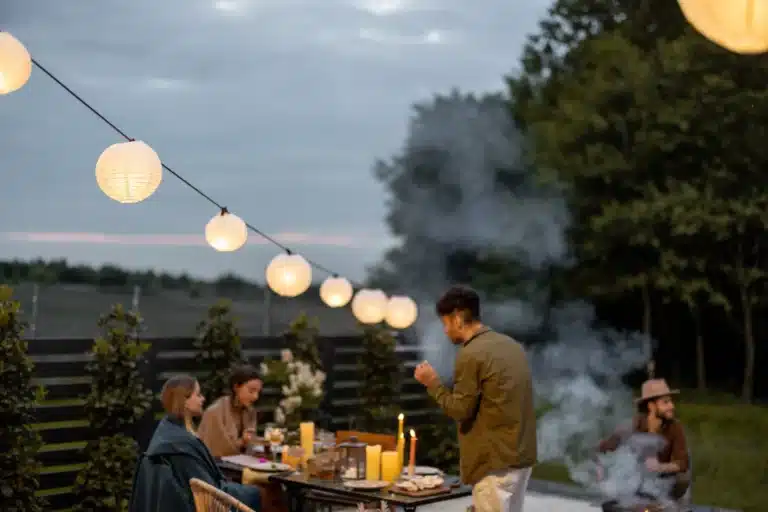
Think about practical elements that will enable you and guests to enjoy your garden kitchen more. Trees, large umbrellas or a retractable canopy can offer shade for hotter days. Patio heaters, a firepit, or chiminea are useful for cooler evenings. They can sometimes be moved around, so if you’ve had them near your bar one night, they can go near the dining area the next.
Ensure you have enough lighting to cook safely as the sun starts to set. You might also prefer some softer lights for around your dining area.
Bugging nature
Flies and other bugs can be the bane of picnics and outdoor cooking, so plan ways to keep bugs at bay while eating. Burning citronella candles, using essential oil diffusers and spraying insect repellant can help.
You can be strategic about the types of plants you add near your outdoor kitchen. Carnivorous plants like Venus fly trap won’t keep flies away, but will reduce their numbers.
A herb garden is a practical way to repel flies and other insects while also providing fresh ingredients close-at-hand for your outdoor kitchen. Basil, bay leaf, chives, dill, lemongrass, mint, oregano, parsley, rosemary and sage all help to deter different types of bugs.
Outdoor kitchen costs
The cost of an outdoor kitchen can vary considerably depending on size, materials and the cooking appliances you include. If you build just a BBQ and a few storage units, you may manage it for £1,000. A ‘real’ outdoor kitchen’s basic set up will cost around £3,000 to £5,000, which will cover the minimum essentials.
The average for a high-quality bespoke outdoor kitchen is £15,000-£25,000. At the lower end, this will add a built-in grill and sink, while the high end includes more premium finishes and appliances. If your budget is larger, you can plan luxury elements and features like a specialist outdoor fridge, ice maker and pizza oven.
(Prices sourced from Checkatrade)
Planning permission
An outdoor kitchen usually won’t need planning permission because it is considered furniture. So long as you aren’t adding any permanent structures, your garden kitchen won’t impact building regulations. Even then, most garden construction, like a shed, fence or wall, will fall under permitted development. If you’re adding anything larger in scale, you should check UK planning permission rules for gardens.
Child-friendly family garden zones
Perfect for:
- Outdoor games
- Mini explorers
- Grown-up free dens
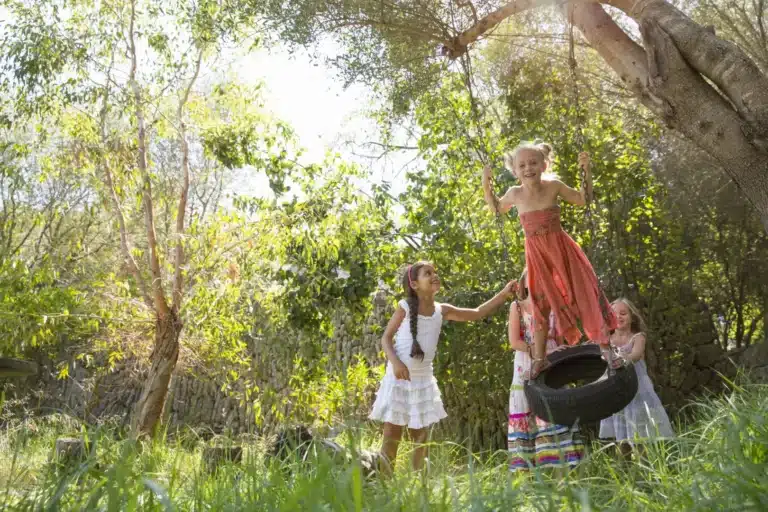
The most essential element of family gardens is that they should be kept safe for children to play in on their own. It’s important for them to have unstructured play where they can develop more independence and confidence. Your garden should be a place where you can trust your children to expand their imaginations and, eventually, explore unsupervised.
Keeping it safe
One approach is a layout with the child-friendly garden zone nearest the house. You can create a garden partition between the other areas with fencing and balustrades that incorporate secure gates. You can also use storage structures like a shed or waterproof toy containers to form part of a partition.
If you need to keep the garden more open, take precautions. Add soft landings (like grass and woodchips), check for irritant plants and avoid any water – cover existing ponds with safety mesh. Gather ideas for garden decking areas with space for eating outside and playing.
More than a lawn
The biggest mistake people make with child-friendly gardens is to just put a massive lawn in for games and maybe a simple path for riding bikes. Whatever age your children are, you’ll soon learn that they are often interested in far more, especially as they get older.
Most children go through a phase where they want to play out-of-sight of grown-ups. If your garden is big enough, have ‘wild’ zones where they can roam or learn how to build dens. Tall, tough plants like bamboo work well for creating little jungles.
Sometimes they will still want to spend time with adults in the garden. This could mean adding smaller steps to a seating area and thinking about how they might join in at your potting bench. It can be a great way to teach them about food, whether you’re growing vegetables or just a few herbs.
Growing up
For older children and teenagers, a private seated area or converted shed (possibly where the WiFi reaches) away from the house can be just what’s needed. They can get away from parents, hang out with friends and still enjoy being in touch with nature.

Secret garden rooms
Perfect for:
- Fantasy and magic
- Private hideaways
- Something unique
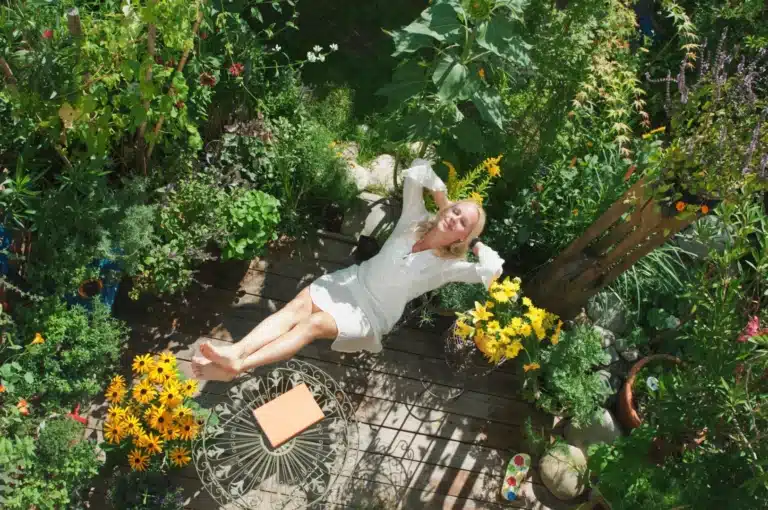
A secret garden is a private, hidden part of the garden that offers peace and quiet away from the world. In The Secret Garden, Frances Hodgson Burnett’s classic book, a young girl discovers a secret garden behind a hidden door.
If your garden is big enough, then a walled garden with a door might be possible. However, there are other ways of creating a secret garden room.
Choosing your spot
A secret garden doesn’t have to be huge, so decide how large you actually need yours to be. A cosy nook that gets the last of the day’s sunlight can be the perfect place to retreat with a book and a cold drink. You might prefer a shady spot and use the cover of a tree for privacy.
Decide how you want people to reach your secret garden. Curved, winding paths can help with the ‘secret’ element, ensuring people can’t see it until they almost reach it. Or create a different type of path, maybe with gravel for a main path and cobblestones towards the secret garden.
Embrace the magical, fairytale feel of traditional secret gardens. You could add hints that divert people off a main path, such as following ornamental garden fairies. You could even place your secret garden on the other side of a shallow pond or stream, with stepping stones to reach it.
Creating an entrance
A wall and a door is ideal for replicating the original secret garden. But a freestanding door or gate still achieves an intriguing effect. You could find a reclaimed or antique door – you could even paint an old shed door.
An archway or pergola offers less privacy but still makes an inviting entrance. It also gives you the option of adding climbing plants so that visitors feel enveloped by nature as they enter.
For more privacy and an unusual entrance you could take inspiration from the countryside and have a traditional stile. A simple step stile can be added to a low fence, while ladder stiles are better for taller partitions.

Creating privacy
There are lots of ways to shield your secret garden. Hedges and trellis can help to create natural barriers with dense greenery. Partitions like a bamboo, willow or woven reed screen are quick and easy to put in place. Tall plants and trees can bring a canopy, ensuring you aren’t overlooked.
Making it magical
Use angles or overhanging plants to obscure the entrance to your secret garden, making it something that people only discover when they’re close enough. Add string lights or lanterns and windchimes for a truly magical feel inside.
Your secret garden could be a fairy garden, with small signs of magical creatures nearby. Think miniature doors, dolls house furniture and tiny footprints. Pick a theme and run with it – whether that’s traditional fairytales, folklore or classics like the Narnia stories and Lord of the Rings.
Key things to consider for garden zoning
Space
Start by assessing the potential of your current garden space and shape. Consider which elements you like and why. It is often easier to work with what you already have, especially with features like mature trees and hedges. Note important things you can’t change, like the shade from a neighbour’s hedge or any trees with a preservation order. When planning your garden zones, you can then take all this into consideration.
Small Gardens
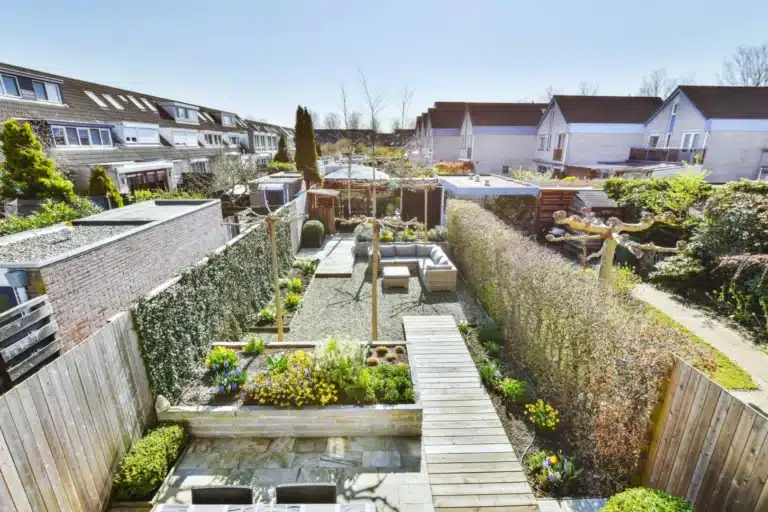
Even in a smaller garden, you can use plants, paths and hard landscaping to create garden rooms with defined purposes. You may not be able to have as many separate areas, but you can still design practical outdoor spaces. Focus on what you will most enjoy in your garden and remember that nothing should feel too cramped.
Large Gardens
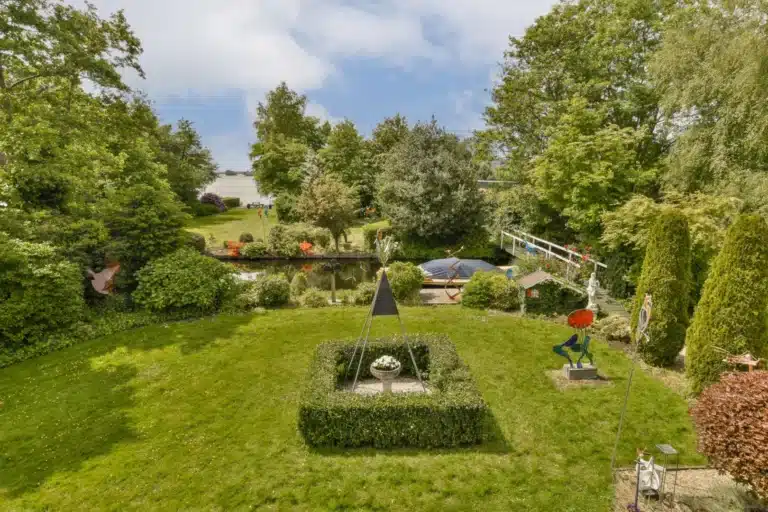
However big your garden is, you can use garden zoning techniques that make the most of what you have. You will always have greater flexibility with a large garden for creating dedicated spaces, and your garden partitions can take up more room.
Purpose
Think about how you use your garden currently and how you would like to use it. Maybe it’s only ever been an entertainment space when guests visit, but now you would like a regular zen retreat too. If you’ve just moved, you may be keen to put your own stamp on a new place and map out your garden zones.
Life circumstances can prompt the need to change your garden’s purposes too. Perhaps you’re ready to add a toddler-friendly play area, or your small explorers have become chilled teenagers, so it’s a good time for change. You might be thinking towards retirement and planning to spend more time in your garden.
Flow and garden partitions
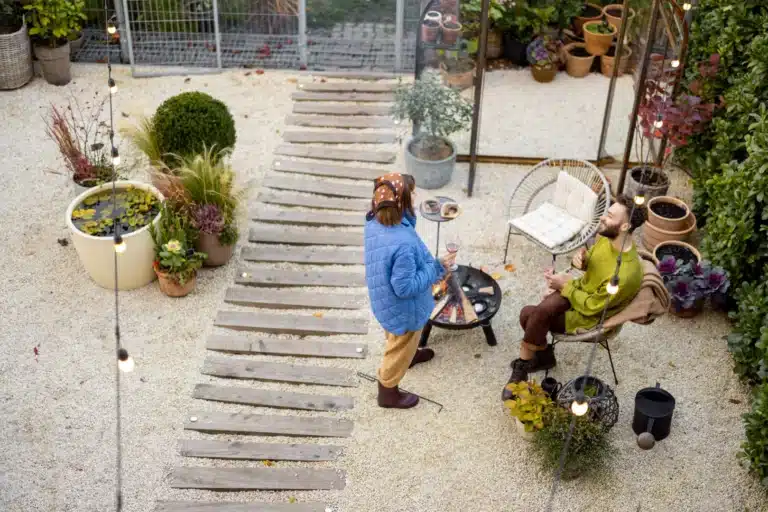
Garden zoning requires the creation of distinct areas, so you will need to think about different ways of separating them. These can be natural or manmade boundaries, and may even make use of a garden’s different levels.
How to create garden partitions
Hedges and bushes
Trees
Shrubbery
Rockeries
Fences and trellis
Privacy screens
Composite fences
Waterways
Brick walls
How to create gardern passageways
You will also need ways of connecting your different garden zones, so consider how you want them to flow between one another.
- Paths
- Paving
- Gravel
- Grass
- Gates
- Arches
- Steps and gradients
- Bridges
Adding personal touches
Just like your indoor space, your home’s outdoor space should incorporate some personal touches. The right decorative choices can make your garden zones feel like a true extension of your home. You can pick different garden themes or add personalised features that reflect your hobbies and interests.
- DIY furniture
- Personalised planters
- Ornaments
- Mirrors
- Windchimes
- Artwork
- Sculptures
- Statues
- Garden signs or plaques