How to Clean Balcony Glass & Balustrades for a Streak-Free Finish
Glass Balustrades For Today, Tomorrow and Forever
Cleaning Balcony Glass & Balustrades
If you clean glass properly on a regular basis, your glass products can last forever. Looking after glass balustrades, balconies, partitions and other glass products can ensure they stay looking as good as new for years to come. We’ve created pro tips and recommendations for how to clean balcony and balustrade glass like a professional, based on decades of experience.
Pro tips for cleaning glass properly
-
Remove loose dirt Use a dry microfibre cloth to wipe away dust before applying cleaner.
-
Always clean from top to bottom Cleaning glass from top to bottom ensures soap, water and dirt isn’t dripping down on the areas you’ve just cleaned. You can catch any drips and reduce the chance of leaving marks or streaks.
-
Circle then straighten If you’re using a cloth and not a squeegee, use circular motions to clean the glass properly first. Then you can move on to either horizontal or vertical strokes to help get a streak-free finish.
-
Be thorough Once the surface is wet, it can be harder to see any mineral deposits on it. Make sure you polish the entire glass surface and scrub thoroughly, even if you can’t see anything. This will help to ensure you remove everything.
-
Choose the best time to clean glass The best time to clean any glass but especially cloudy glass is on duller, overcast days. Bright sunlight can make it harder to see whether you’ve managed to clean glass balustrades and balconies properly, especially when cleaning cloudy glass.
Choosing the Right Glass Cleaner and Tools
We’ve run down the ideal cleaning tools and solutions for easy glass cleaning with sparkling results.
Glass cleaning tools
Microfibre cloths
A lint-free microfibre towel or cloth is the best type for cleaning glass. It helps to properly clean glass without streaks and without leaving any fibres behind.
Squeegee
A rubber squeegee is great for cleaning large panes of glass quickly and efficiently. Combine it with a microfibre cloth to wipe down any edges or awkwardly shaped areas.
Old t-shirts
If you have nothing else to hand, old cotton t-shirts make good cleaning cloths as they generally won’t leave any fibres or lint on glass. This sort of recycling is also a great environmentally friendly choice. White or light-coloured t-shirts are best so you can see whether they have picked up any dirt.
Hard cleaning tools
Your glass may have built up dirt and grime that will need far more than a buff and wipe over. This is especially common for glass balconies and balustrades outside. Bird droppings and dead bugs can harden, making them difficult to shift. It may be tempting to grab a stronger tool to help lift them. However, avoid any metal tools, like a paint scraper or knife. There is always a risk that these could scratch or otherwise permanently damage your glass. Instead, pick something plastic, like a windscreen scraper.
Top Tips For...
-
Cleaning the fiddly bits For edges, corners, or hard-to-reach areas where dirt collects, use a cotton bud. Dip it in your cleaning solution for a thorough clean.
-
Avoiding damage Some glass cleaning solutions can damage surrounding surfaces, so it’s a good idea to protect them with a cloth. You can also spray the glass in smaller amounts so you can control the solution more easily.
-
General cleaning You can use a hosepipe to clean a balustrade’s glass panels. Use distilled or filtered water to help avoid streaks and water marks.
-
Difficult stains For removing heavier stains from self cleaning glass, you should try to stick to gentle soap and water with a sponge or soft cloth. If the stain is really difficult, try a solvent-free glass cleaner. Avoid any abrasive cloths or cleaners that could damage the coating.
Glass cleaner solutions
Commercial glass cleaners
If you’re cleaning household windows, doors or mirrors yourself, a spray-on glass cleaner may be the best way to restore shine. They often contain ammonia, which can be effective on stains and evaporates quickly for a streak-free finish.
However, ammonia-based cleaning products aren’t ideal for all glass surfaces. They can damage nearby stainless steel brackets, hinges and handrails on glass balustrades and balconies. This will remove the protective layer and expose the metal beneath to rust, while stainless steel maintenance also needs a separate approach. They also aren’t suitable for tinted glass. More importantly, ammonia can produce dangerous fumes and irritate skin or eyes. You should use ammonia-based glass cleaners carefully in well-ventilated areas or choose less toxic sprays.
Citrus-based cleaners are ideal for glass items like shower doors because they’re designed to remove soap and other minerals. They aren’t as powerful at removing grease and dirt for outdoor glass though. They won’t be as good at getting rid of smears or stains either.
Homemade cleaning solutions
Vinegar or citrus fruits are among the household items you can use to create homemade glass cleaners to add to spray bottles. Making your own cleaners can be safer, more cost-effective and better for the environment.
Cleaning glass without glass cleaner
You can clean larger glass panels, especially those outdoors in gardens or commercial spaces, with simple soap and warm water. Cleaning glass balustrades, terraces and commercial windows regularly will keep them gleaning, more attractive and more enjoyable.
Preventing water marks and streaks
The water you clean with has the biggest impact on glass streaks. Regular tap water can contain impurities and sediments that will leave a residue on surfaces, especially in hard water areas. This makes it more difficult to clean your glass balustrades and balconies without leaving streaks.
The best way to get rid of water marks on glass and ensure a spotless finish is to clean with filtered water. This purified water is free from impurities, minerals and chemicals that cause streaks and water marks on glass surfaces. Its pure composition makes it ideal for a professional level of window cleaning.
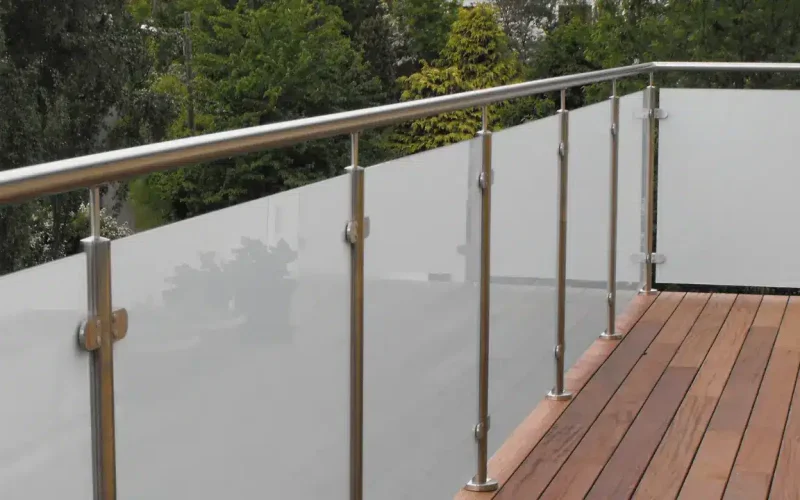
Cleaning frosted glass
Frosted glass has a textured surface, so it needs different cleaning care compared to regular glass. You should avoid abrasive cleaners and cloths as they can leave scratches on the frosted surface. Use smooth cleaning tools, like paper towels or a microfibre cloth.
You don’t have to worry about leaving streaks when cleaning frosted glass. Simply leave the glass to dry – it should take around half an hour – then check to see if you’ve missed anything.
How to Clean Self Cleaning Glass
Self cleaning glass has special coatings that help it to break down dirt and use rainwater to clean itself. It’s normally installed on conservatories, orangeries or high rise buildings and offices. Occasionally, you might need to clean the self cleaning glass yourself to remove any stubborn stains. Don’t use a pressure washer as this risks damaging the glass coating. Be aware that it can take several days for the coatings to reactivate.
Our team has extensive experience with quality glass products. Get in touch for further expert advice on glass cleaning. They have huge levels of detail and depth of knowledge to see your next project through.
Common Glass Cleaning Questions
How do I remove adhesive stickers from glass?
To remove adhesive residue or stickers from glass, apply rubbing alcohol, white vinegar, or warm soapy water to the sticky area. Let it sit for a minute to soften the adhesive, then gently scrape it off using a plastic scraper or an old credit card. Avoid using metal tools, as they can scratch the glass. If residue remains, rub it with a microfiber cloth soaked in vinegar.
What’s the best way to remove hard water stains from glass?
Hard water stains form due to mineral deposits left behind when water evaporates. To remove them, mix equal parts white vinegar and water in a spray bottle. Apply the solution to the glass and let it sit for 5-10 minutes before scrubbing gently with a non-abrasive sponge. For stubborn stains, sprinkle baking soda on a damp cloth and rub in circular motions before rinsing.
How can I clean glass without leaving streaks?
To avoid streaks, use a microfiber cloth or squeegee instead of paper towels, which can leave lint behind. Clean the glass with filtered or distilled water (instead of tap water, which contains minerals that cause streaks). Wipe in a consistent top-to-bottom motion and ensure the glass is completely dry after cleaning.
How do I clean glass after construction or renovation?
After construction or renovation, glass often has dust, paint splatters, or silicone residue. To clean it safely:
- Remove dust first using a dry microfiber cloth or soft brush.
- For paint or silicone residue, use a plastic scraper at a low angle to gently lift it off—avoid metal scrapers, which can scratch the glass.
- For stubborn spots, apply a mix of warm water and dish soap or a solvent-free glass cleaner.
- Finish by buffing with a clean, dry microfiber cloth for a streak-free finish.