Choosing Different Types of Balcony
Glass Balustrades For Today, Tomorrow and Forever
Installing a balcony can make a significant difference to your enjoyment of your home. The various types of balcony can all add something different. They can hugely improve the value, aesthetic appeal, and functionality of your living space. However, there are numerous important aspects to consider before making this investment.
From how you’ll use your balcony to the impact of different materials and styles of balcony, our balcony guide will help you make informed decisions and gain a beautiful and practical addition to your home.
Types of Balcony

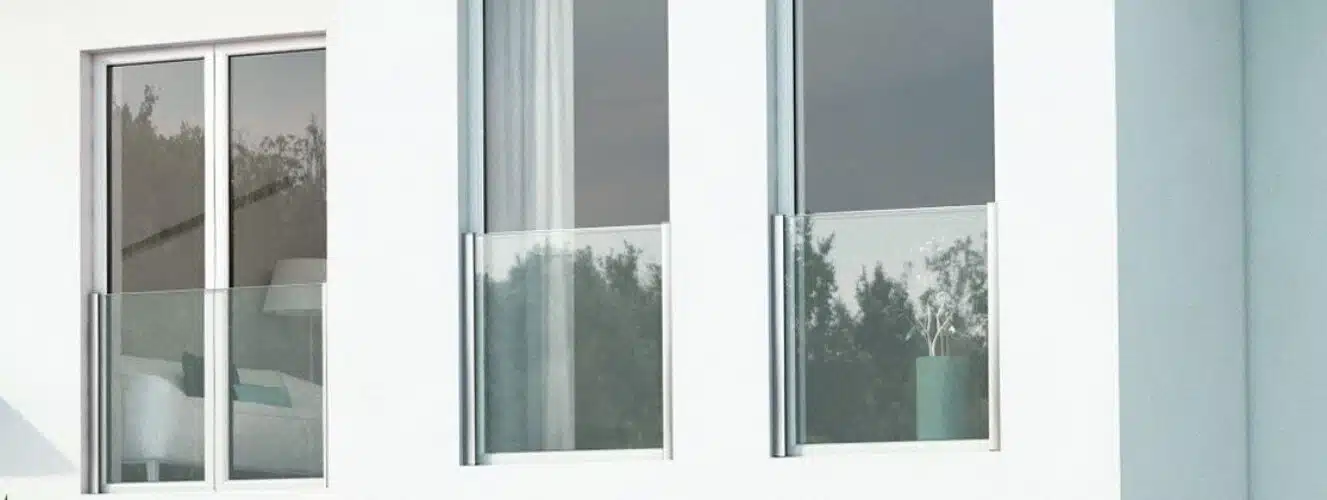
Juliet balcony
Also known as French balconies, a Juliet balcony is essentially a railing or balustrade installed directly outside a full-length window or a pair of French doors. These decorative balconies enable floor-to-ceiling windows or doors to be opened to let in fresh air and light, without the risk of falling. They are particularly well-suited for homes where space is limited or where a traditional balcony would be impractical.

Cantilevered balcony
A cantilevered balcony provides a modern look, where the balcony appears to float as it has no external supports. Its style suits many contemporary properties and is ideal for those who want a minimalist feel. Cantilever balconies can be made from concrete, steel or timber, and can incorporate glass balustrades. However, they will always need strong structural support from the property itself.

Hung balcony
These versatile balconies use metal brackets or beams attached to the property’s wall to support them. Although less common, these hung balconies have great strength and sometimes have additional support from stainless-steel cables. They offer a traditional look but can be made from various materials, including iron, steel, wood and glass.
Rooftop or terrace balcony
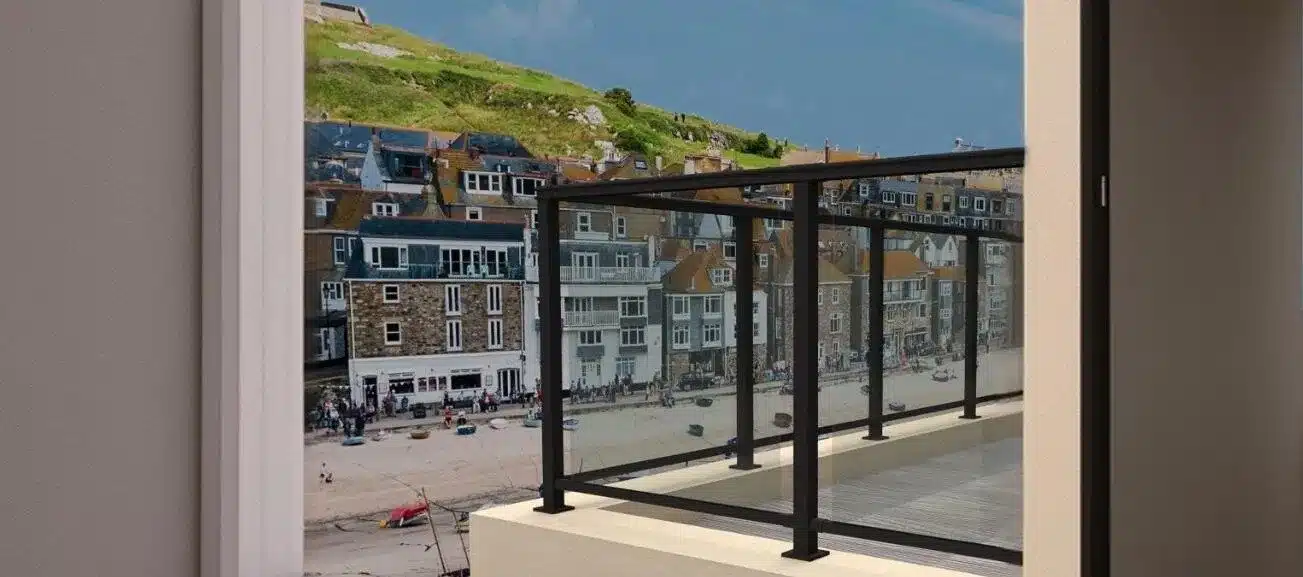
These balconies are installed on the flat roof of a property – either the roof of the uppermost floors, or of one of the lower floors that extends out from the rest of the building. Rooftop and terrace balconies can offer significant extra space so are ideal for homes with minimal outdoor space, as well as those with fantastic views. As they use the strength of the rooftop, these balconies can be designed with room for outdoor seating, cookers, fire pits and more.

Stacked balcony
One of the most popular types, stacked balconies are often installed on multi-storey flats, but also work if you want a balcony on two floors. They are connected to one another and supported by pillars or columns. They provide space-saving outdoor space and the lower floors benefit from the shade and shelter of the balconies above. Metal and glass are the most common choices of material.

Mezzanine balcony
A mezzanine is an indoor area that overlooks a lower floor, potentially offering a brighter, more open space. Installing a mezzanine balcony is perfect for creating spaces that flow together, with more natural light and ventilation. They are often used in modern, open plan homes, as well as historic property conversions.
Do you need planning permission to install a balcony?
Most types of balconies will need planning permission in the UK. The exception is Juliet balconies, which usually won’t unless you live in a conservation area or a listed building.
How easy it is to get planning permission to install a balcony will vary depending on your location, local authority guidelines and the type of balcony. Among the areas often considered is whether the balcony will blend with the building’s architectural style. It’s always a good idea to get in touch with your local planning authority to understand what’s required to ensure your balcony idea will comply.
Balcony Installation Costs
How much a balcony costs will be one of your biggest considerations. An installation usually ranges from £1000 – £5000, depending on the types of balcony. Juliet balcony costs come at the lower end and can be installed for as little as £250, while cantilever balconies are among the styles at the mid-high end.
| Cost Item | Range - Low | Range - High | Average Cost |
|---|---|---|---|
| Balcony Installation | £1,000 | £5,000 | £3,000 |
| Juliet Balcony Installation | £250 | £850 | £550 |
| Cantilever Balcony | £3,000 | £3,800 | £3,400 |
| Planning Permission | £170 | £205 | £187.50 |
source: Checkatrade
Your total balcony installation costs will depend on size, design, materials, installation complexity and labour.
Whilst the costs above are helpful, most glass balustrade businesses can quickly give you a quote online or over the phone. It’s always better to find 2 or 3 suppliers and get a custom quote. After all, you might want to install the balcony yourself or have someone lined up to install it to lower the overall costs.
If you’ve decided you want an aluminium glass balustrade, but can’t stretch the budget for an infinity balustrade, contact a glass balustrade company. They’ll likely have other similar systems that can offer the same style but at lower costs. They might even be able to find another solution to your needs.
Here’s an example of two similar balustrades and the price per metre*:
What To Consider When Installing A Balcony
Check for Obstructions
When deciding where to install different types of balcony, you will need to consider the potential obstructions around your home. These could include drainpipes, window sills, lights or overhanging trees. It’s useful to be aware of any obstacles early on as they can impact your balcony design and installation, and therefore also your project’s costs.
However, obstacles don’t always mean something needs to be changed completely – it could just mean you need to find a creative workaround. This could be another balcony style, a more complex design, repositioning an outdoor staircase, or moving a support post.
Balcony Maintenance
Whatever type of balcony you choose, all balconies need maintenance, but some need more than others. You should consider how much effort you are willing and able to put in to maintenance, like regularly cleaning your balcony. This will impact the style and materials for your balcony. Saving money upfront on cheaper and more basic materials may mean needing to spend more time and money on future maintenance.
Glass – Sleek and modern, glass balconies provide unobstructed views and are relatively low maintenance while being highly durable. If you can get any children to avoid leaving smudged fingerprints, it will stay clearer for even longer.
Iron – Traditional and timeless, iron balconies are sturdy but their paintwork doesn’t always stand up to the elements. They’re especially prone to rust in coastal areas due to corrosion from sea salt in the air. They need regular heavy maintenance to prevent rust.
Stainless Steel – A more durable and rust-resistant choice, stainless steel works on its own or pairs well as steel posts with glass balustrades. It’s easy to wipe over with a cloth for swift regular maintenance.
Timber – The warm and natural look suits many buildings. Timber will need regular protection from water, rot and woodworm.
Balcony Styles and Architectural Harmony
Whether your property is traditional, modern or something unique, your balcony should feel like an extension of your home. When you’re choosing your type of balcony, consider how the materials and design will complement your home’s existing architectural style.
Iron railings are often preferred for early 20th century homes, timber matches lots of post-war designs, while glass balustrades can seamlessly blend with both modern and traditional designs. However, it will always depend on your home’s individual exterior style.
You might also need to consider the surrounding area. Depending on your local planning authority rules, you may need to select a balcony material that is in keeping with the style of nearby properties.
How much use will your balcony get?
Do you want to use your balcony the whole year-round or only in the warmer months?
For a balcony that will only be used in Spring and Summer, you’ll need to consider options for ensuring shade. This could be a lightweight wicker privacy screen or an umbrella. Metal balconies will absorb the heat, so you might want to choose lighter materials. Options like glass balustrades can help to maximise sunlight, especially beneficial if you’ll use the balcony during lighter evenings.
Windbreaks help to shield your outdoor space from the elements, making them ideal for year-round balconies. To get the most out of your balcony during the Autumn and Winter, outdoor heaters are essential. Pair them with cosy throws and cushions, which can be packed away in the Spring.
Consider anything else that might influence how often you will use your balcony. Adding stairs to your balcony can connect it to your garden or lower floors, offering more convenient access and making you more inclined to use it. It may also make it easier to bring up gardening tools or carry out cleaning and maintenance. You’ll be able to do more with your balcony and keep it looking nice, ensuring it remains an appealing part of your home.
How much privacy can you have on different types of balcony?
Most properties will have neighbours and a balcony can make you feel more visible. While the openness of a balcony can be appealing, you may not be happy if you feel overlooked.
You can get around this by considering your balcony’s placement. If you’re on the end of a row, you might prefer a balcony on the side furthest from your next-door neighbour. Maybe the rear of your property is overlooked by several others but the front of your home is actually much quieter.
Privacy glass and screens are another option. You can choose to have frosted or tinted glass when you purchase your balcony or install a vinyl layer to your glass afterwards. This allows you to make the most of your surroundings while still enjoying your privacy.
You can also use standalone privacy screens, which have the additional benefit of providing adjustable solutions for creating shade and acting as windbreakers.
Keeping your family safe
Your type of balcony should consider your family’s individual needs. If someone in the home has mobility issues, they will benefit from a balcony design that incorporates handrails. This support will make moving around and standing up easier, so you’re more likely to get more use out of your balcony. It’s important to choose a style that accommodates these needs without compromising on safety or your preferred aesthetics.
You do need to think about potential hazards in the design of your balcony, especially if you’ve got a young family or pets – or ones who are frequent visitors. Will small children or pets be able to climb over or get stuck in gaps? Simple metal bars or wooden slats may be better swapped for frameless glass that provides a solid, gapless barrier.
You may also want to consider adding stairs to your balcony. They provide easier access for pets, enabling them to move around your home more freely. Balcony stairs will also give you an extra emergency exit route from your property’s upper floors, offering additional safety, which can be particularly reassuring if your home has multiple floors. If you choose a metal or glass balustrade balcony, it’s easy to incorporate a gate into your balcony’s design. This will prevent children from gaining unsupervised access and help to keep everyone safer.
Your choice of balcony type should be tailored to your specific needs, taking into account safety, style, functionality and maintenance. By considering all of the above, you’ll be able to make the best decision about installing the right type of balcony for you and your home.