Juliet Balcony Benefits & Costs
Glass Balustrades For Today, Tomorrow and Forever
What is a Juliet Balcony?
Juliet balconies, also known as French balconies, balconets or balconettes, are a stylish architectural feature that adds both aesthetic appeal and practical benefits to homes. Unlike traditional balconies, which offer a space to step out onto, a Juliet balcony is essentially a railing or balustrade installed directly outside a full-length window or a pair of French doors. These railings are typically affixed to the exterior wall, creating the illusion of a balcony without the extended platform.
Modern Juliet balconies differ from other balcony types in that they don’t provide an area for outdoor seating or standing. Instead, they serve as a safety feature, allowing the installation of floor-to-ceiling windows or doors that can be opened to let in fresh air and light, without the risk of falling. They are particularly well-suited for homes where space is limited or where a traditional balcony would be impractical.

Traditional Juliet Balconies
- Historical Origin: The term “Juliet balcony” comes from the famous scene in Shakespeare’s Romeo and Juliet, where Juliet stands on a small balcony. In older architectural styles, Juliet balconies often featured a small platform that could accommodate a person standing.
- Small Platforms: In some traditional designs, particularly in older buildings, the Juliet balcony includes a narrow platform or ledge. This platform is typically very shallow, usually no more than a few feet deep, just enough to stand on or place a few potted plants, but not large enough for furniture.
- Decorative and Functional: While these small platforms were functional, providing a bit of space for ventilation and light, they were also highly decorative. They often featured ornate railings and embellishments that complemented the building’s facade.
Modern Juliet Balcony
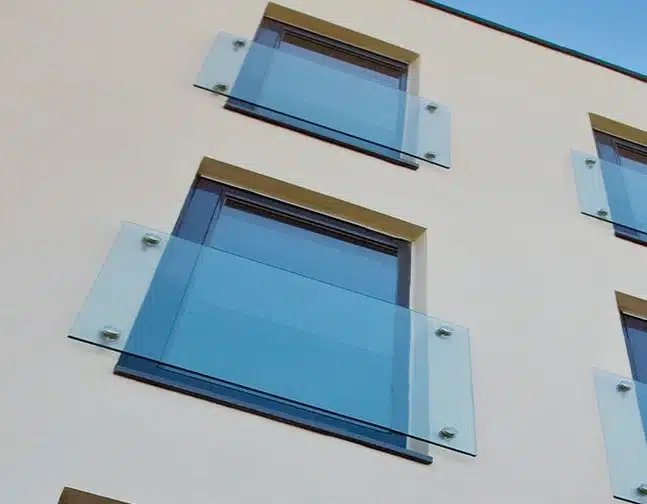
- No Platform: In contemporary architecture, Juliet balconies usually do not have a platform at all. They consist simply of a glass balustrade or railing installed directly outside full-length windows or French doors, providing the appearance of a balcony without the space to step onto.
- Safety and Aesthetics: These modern Juliet balconies primarily act as a safety feature, allowing windows or doors to open wide for ventilation while preventing falls, and they are also used to enhance the visual appeal of a building’s exterior.
Window & Door Styles and Installation
These balconies are typically installed to allow the doors to open fully with the protective railing reducing any risk of falling. Juliet balconies can be added to various types of windows, but they work best with full-length windows or French doors. The most common and effective window styles for Juliet balconies, these allow maximum light and air into the room while offering the aesthetic and practical benefits of the balcony.
Smaller windows or traditional casement windows are generally not suitable for Juliet balconies because they do not provide the same visual or functional impact.
Benefits of a Juliet Balcony
Fast Installation
One of the key advantages of choosing a Juliet balcony is the speed of installation. The process typically begins with obtaining a quote, which usually involves a site visit by a professional to assess your specific requirements and measure the space. This can usually be arranged in just a few days. Once you’ve agreed on the design and materials, the balcony can be fabricated in a matter of weeks, depending on the complexity and materials used.
As Juliet balconies are relatively straightforward to install, the actual installation is often completed within a day. It involves securing the railing or balustrade to the exterior wall, which is usually a quick and minimally invasive procedure. From getting a quote to having your new Juliet balcony fully installed, the entire process can take as little as 2 to 4 weeks, making it a fast and efficient way to enhance your home.
Bright and safe advantages
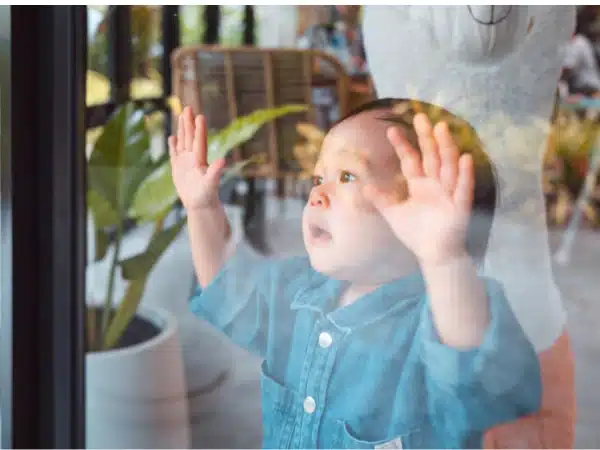
Juliet balconies offer enhanced safety features, making them an ideal choice for families with small children and pets. Here’s how Juliet balconies, especially those with glass balustrades, provide superior safety:
- Secure Glass Balustrades: Our glass balustrades are designed with high-quality, tempered safety glass that provides a strong, transparent barrier. This allows for unobstructed views while ensuring that the balcony remains secure. The glass is installed with robust, tamper-proof fittings, and the balustrades are built to meet stringent safety standards, making them a safe option for homes with children and pets.
- Fixed and Stable Design: Unlike traditional window, Juliet balconies with glass balustrades offer a fixed and stable barrier. This design prevents children and pets from leaning out or attempting to climb through the opening, maintaining a safe environment.
- Enhanced Visibility: The transparency of glass balustrades ensures that the Juliet balcony does not obstruct light or views while providing a secure barrier. This is particularly beneficial in homes where visibility and aesthetics are important, as it allows you to enjoy the view without compromising on safety. If you want both light and privacy, you could opt for the opaque or frosted finished of glass.
- Sleek and Functional: Imagine traditional sash windows that open from the top and bottom. Without proper safety measures, these windows can be hazardous to small children and pets. By installing a Juliet balcony with our glass balustrades, you can keep the windows functional for ventilation while maintaining a secure barrier. The glass balustrades provide a sleek, modern look that complements your home’s design, while ensuring that children and pets are protected from accidental falls.
Connect Indoor and Outdoor Spaces
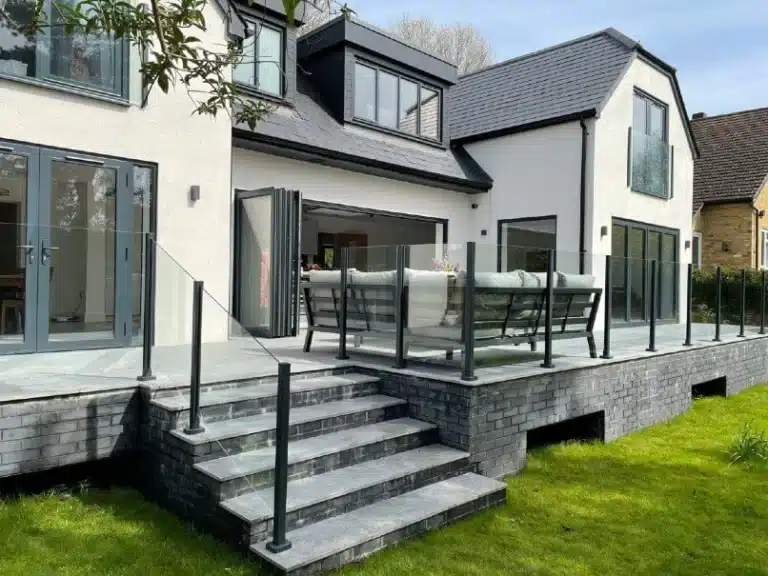
Juliet balconies offer a charming way to bridge the gap between indoor comfort and outdoor freshness, enhancing both the aesthetic and functional aspects of a home. They are particularly appealing in the UK for their ability to let in natural light and air, making spaces feel more open and inviting.

Connect Indoor and Outdoor Spaces
Juliet balconies are often used to maximise natural light, especially in spaces where traditional balconies are impractical. For example:
- Loft Conversions: Juliet balconies are commonly installed in loft conversions, where they help to brighten up otherwise dark and confined spaces. By incorporating a Juliet balcony with full-length windows or French doors, these conversions gain additional light, making them feel airy and more spacious. The glass balustrades of a Juliet balcony allow light to flood in without obstructing the view, turning a once dark loft into a well-lit, welcoming area.
- First-Floor Rear-Facing Bedrooms: Juliet balconies are increasingly popular in first-floor rear-facing bedrooms. These balconies allow homeowners to enjoy unobstructed views of gardens or the city while letting in ample daylight. The ability to open the doors wide without a full balcony extending outwards makes it easy to enjoy fresh air and natural light without the need for extensive outdoor space.
Improving Ventilation
One of the key benefits of a Juliet balcony is improved ventilation, which is essential for maintaining a comfortable living environment.
- Living Rooms and Bedrooms: Juliet balconies are ideal for living rooms and bedrooms that may otherwise feel stuffy or overheated. By installing a Juliet balcony, homeowners can open their windows or doors wide, allowing a refreshing breeze to circulate through the room. This is particularly useful in summer months or in properties that may lack cross-ventilation.
- City Apartments & Flats: In densely populated areas where outdoor space is limited, Juliet balconies provide a way to enhance air circulation without requiring a full outdoor extension. They offer a practical solution for urban apartments, allowing residents to enjoy fresh air and natural light, even in compact spaces.
Increase Your Sense of Space
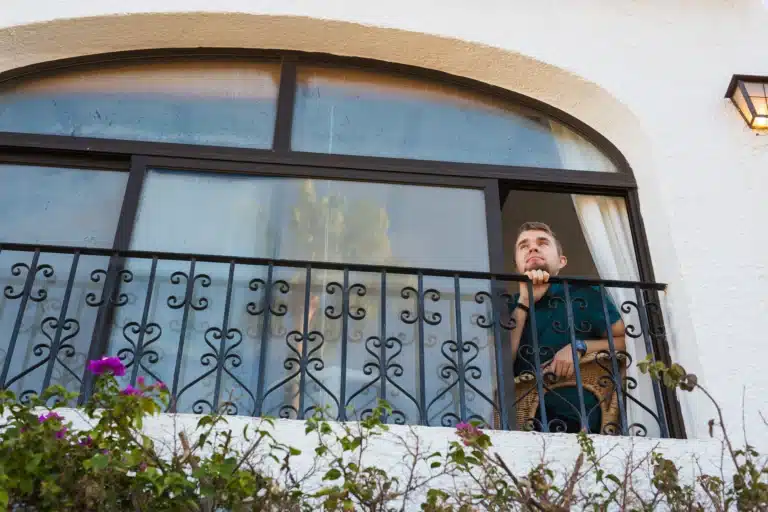
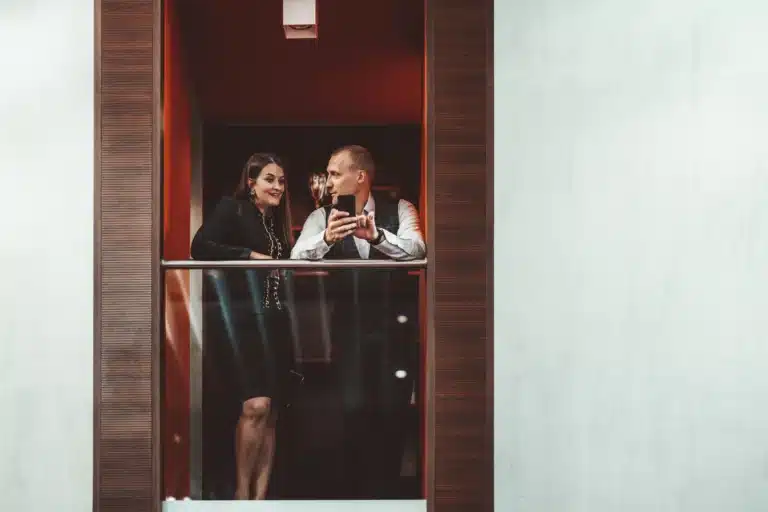
Juliet balconies significantly enhance the sense of space in a room by creating an illusion of openness and connection to the outdoors. By incorporating full-length windows or French doors, these balconies allow natural light to flood into the room, making it feel brighter and more expansive. The unobstructed view provided by glass balustrades helps to visually extend the indoor space, giving the impression of a larger area without altering the room.
In contrast, traditional steel or iron railings can sometimes feel more imposing or visually heavy from the inside. While they are sturdy and durable, their solid or patterned designs might obstruct light and limit the sense of openness. Steel or iron railings can create a barrier effect, making the room feel more enclosed and less airy compared to the sleek transparency of glass balustrades.
A multipurpose solution
- Modern Flats: Many modern flats and apartments feature Juliet balconies to create a feeling of openness and connection with the outdoors. These balconies are especially useful in higher floors, where they offer panoramic views while maintaining safety and security.
- Renovated Period Homes: For period homes undergoing renovation, Juliet balconies offer a contemporary update that blends well with traditional architecture. They allow homeowners to add a touch of modern style while preserving the character of the building.
- Family Homes: In family homes, Juliet balconies can be added to rooms where children and pets can safely enjoy the view without stepping outside. They provide an extra layer of security while enhancing the overall living experience.
How Much Do Glass Juliet Balconies Cost?
The cost of installing a glass Juliet balcony can vary depending on the type of door or window, the complexity of the installation, and additional services such as delivery.
Here’s a breakdown of the costs associated with supply and fitting.
| Standard Single Door | Double Doors | Window | |
|---|---|---|---|
| Cost | £400 - £700 | £600 - £1,200. | £300 - £600 |
| What it covers | Standard glass balustrade for a single door opening. | Double doors require more glass and a more complex installation process, which increases the cost. | Generally lower costs than for doors due to the reduced size and simpler structure. |
| Price Influences | May vary based on the quality of glass, the type of fittings used and the balustrade design. | Size, type of glass (e.g. tempered or laminated) and any additional design features. | Vary based on window’s dimensions and the type of glass used. |
| Standard Installation | Complex Installations | Access Issues | |
|---|---|---|---|
| Cost | £300 - £600 | Various. May need more time and expertise, which can increase labour costs. | Various |
| Price Influences | N/A. Includes labour for installing the glass balustrade and securing it to the existing wall or window frame. | If structural modifications are needed, such as reinforcing walls or installing special fixings, costs are often higher. | If access is difficult or requires special equipment, such as scaffolding, this may raise the overall cost. |
Delivery charges vary depending on the supplier and the distance from their warehouse to your location
In many cases, quotes for glass Juliet balconies do not automatically include delivery costs. It’s important to clarify with your supplier whether delivery is included in the quoted price. You’ll also need to account for any additional costs for complex installations or access issues.
Planning Permission for a Juliet Balcony
In the UK, whether you need planning permission to install a Juliet balcony depends on several factors, including the location of your property, the size and design of the balcony, and the type of building. Generally, adding a Juliet balcony does not require planning permission if it is not extending beyond the existing external wall of the building and doesn’t significantly alter the building’s appearance. However, there are some specific situations when planning permission might be required.
When Planning Permission is Needed
- Listed Buildings and Conservation Areas: If your property is a listed building or is located within a conservation area, you will likely need planning permission to install a Juliet balcony. These areas have stricter regulations to preserve the historical or architectural significance of the property.
- Changes to Building Appearance: If the installation significantly alters the appearance of your building, particularly if it’s a prominent or front-facing aspect, planning permission might be required.
- Building Height: For properties on upper floors, especially in multi-storey buildings or flats, planning permission might be needed to ensure safety and that it doesn’t infringe on the privacy of neighbours.
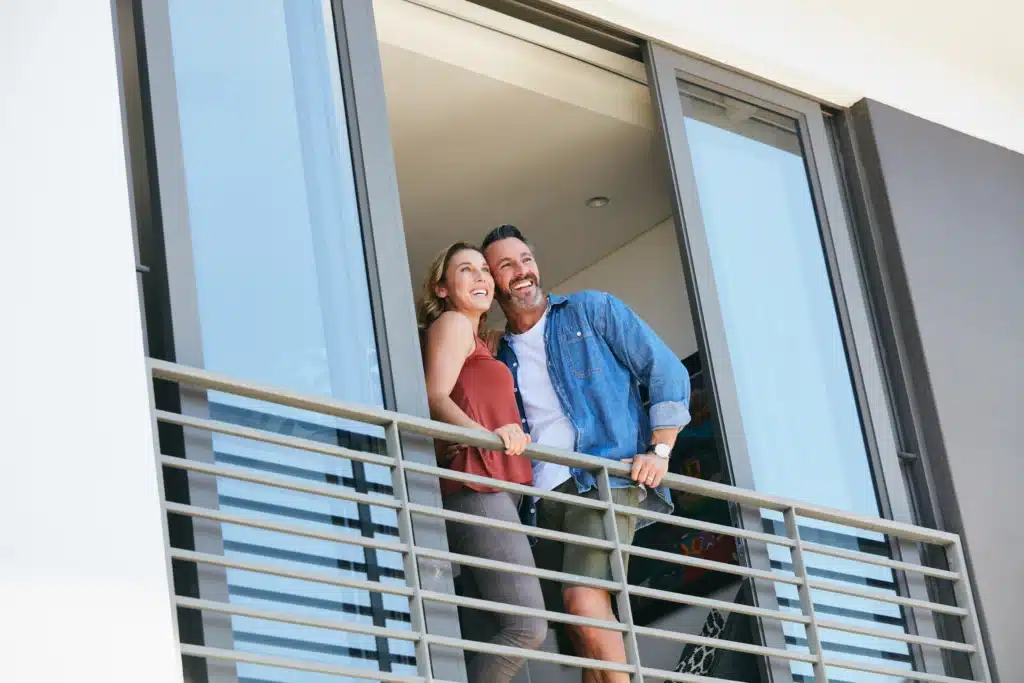
Juliet Balcony Building Regulations
Building Regulations: Even if planning permission isn’t required, you may still need to comply with building regulations, particularly concerning safety and structural integrity.
Building Inspector: A building inspector might be required to check the installation for safety, especially if the balcony is being installed on a higher floor or involves significant structural changes. They will ensure the balcony is securely attached to the structure and that it meets all relevant building standards.
What Are the Alternatives to Glass Juliet Balconies?
When considering a Juliet balcony, glass is a popular choice due to its modern look and unobstructed views. However, there are several alternatives to glass Juliet balconies, each with its own set of advantages and disadvantages. Here’s a breakdown of the main options.
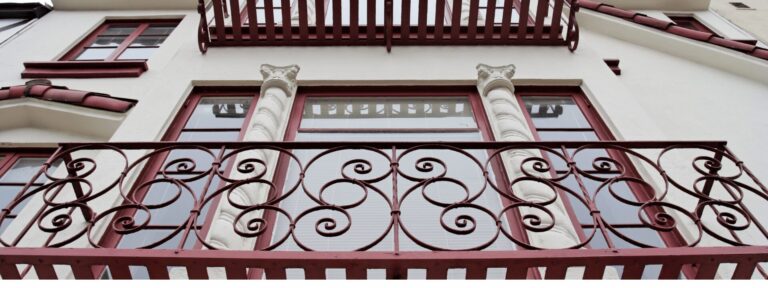
Metal Railings
Advantages
- Durability: Metal railings, typically made of steel or wrought iron, are very durable and can withstand various weather conditions. They are a robust option that generally requires less frequent maintenance compared to glass.
- Aesthetic Variety: Metal railings come in a variety of designs and finishes, including ornate patterns or minimalist styles, allowing for a wide range of aesthetic preferences.
Disadvantages
- Maintenance: While metal railings are sturdy, they need regular maintenance to prevent rust and wear. Steel railings, for example, require repainting every 5 years or so to maintain their appearance and protect against corrosion.
- Visual Weight: Metal railings can appear bulky or heavy, which may affect the sense of openness in a room. They can block more light compared to glass options, potentially making spaces feel more enclosed.
- Cost: Standardised options are available for lower costs, but if you’re looking to match your building age, you’ll quickly see the cost soar.
Suitable For
- Traditional or Historic Homes: Metal railings can complement period features and architectural styles that favour traditional aesthetics.
- High-Traffic Areas: Their durability makes them suitable for locations with heavy use or in environments where robustness is a priority.
Glass Balconies

Advantages
- Unobstructed Views: Glass balustrades offer clear, uninterrupted views, enhancing the feeling of space and connection with the outdoors.
- Modern Aesthetic: They provide a sleek, contemporary look that can modernise a building’s exterior and interior.
Disadvantages
- Maintenance: Glass balustrades require regular cleaning to keep them looking their best. Smudges and fingerprints can be more noticeable on glass, necessitating quick but frequent upkeep.
- Cost: While competitive in price with some metal options, high-quality glass and its installation can sometimes be more expensive.
Suitable For
- Modern Homes and Apartments: Glass balustrades are ideal for contemporary settings where unobstructed views and a modern aesthetic are desired.
- Urban Environments: In cities or built-up areas, glass allows for light and views without compromising security.
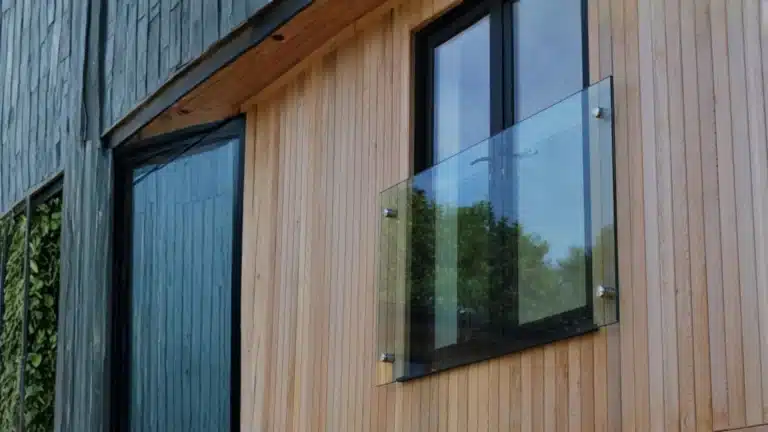
Frameless Glass Balconies
Advantages
- Minimalist Look: Frameless glass provides an ultra-modern and clean appearance, with no visible supports or frames disrupting the view.
- Enhanced Light: Without frames, these balustrades maximise natural light and enhance the sense of openness and space.
Disadvantages
- Cost: Frameless glass balustrades are generally more expensive than framed glass or metal options due to their complex installation and high-quality glass.
- Maintenance and Safety: They require regular cleaning to maintain their clarity, and the installation must be precise to ensure safety and structural integrity.
Suitable For
- Traditional or Historic Homes: Metal railings can complement period features and architectural styles that favour traditional aesthetics.
- High-Traffic Areas: Their durability makes them suitable for locations with heavy use or in environments where robustness is a priority.
While glass Juliet balconies are known for their sleek appearance and ability to enhance natural light, metal railings and frameless glass offer viable alternatives with their own set of benefits. Metal railings are durable and low-maintenance but can be visually heavy. Frameless glass provides a modern, unobstructed look but comes with a higher price tag and maintenance needs. The choice depends on your aesthetic preferences, budget and maintenance willingness, as well as the architectural style of your property.